
Harris Park NSW 2150

Allergen awareness and equipment separation in Harris Park food premises

Allergen management usually focuses on ingredients, storage and staff practice. Cleaning equipment is a quieter route between surfaces, and a cloth that has moved from one bench to another has done exactly what the rest of the system exists to prevent.

In short

Cleaning contributes to allergen management through equipment separation, method and sequence. Cloths, brushes and water that move between preparation areas can transfer residues, which is why cleaning equipment should be separated in the same way food contact equipment is.

Clean Best agrees the separation arrangement with the venue and records it in the scope. What the contractor cleans and what kitchen staff clean is set out surface by surface, so allergen-critical preparation surfaces stay under the venue's own control unless a different arrangement is explicitly agreed and supported.

How cleaning equipment moves residues

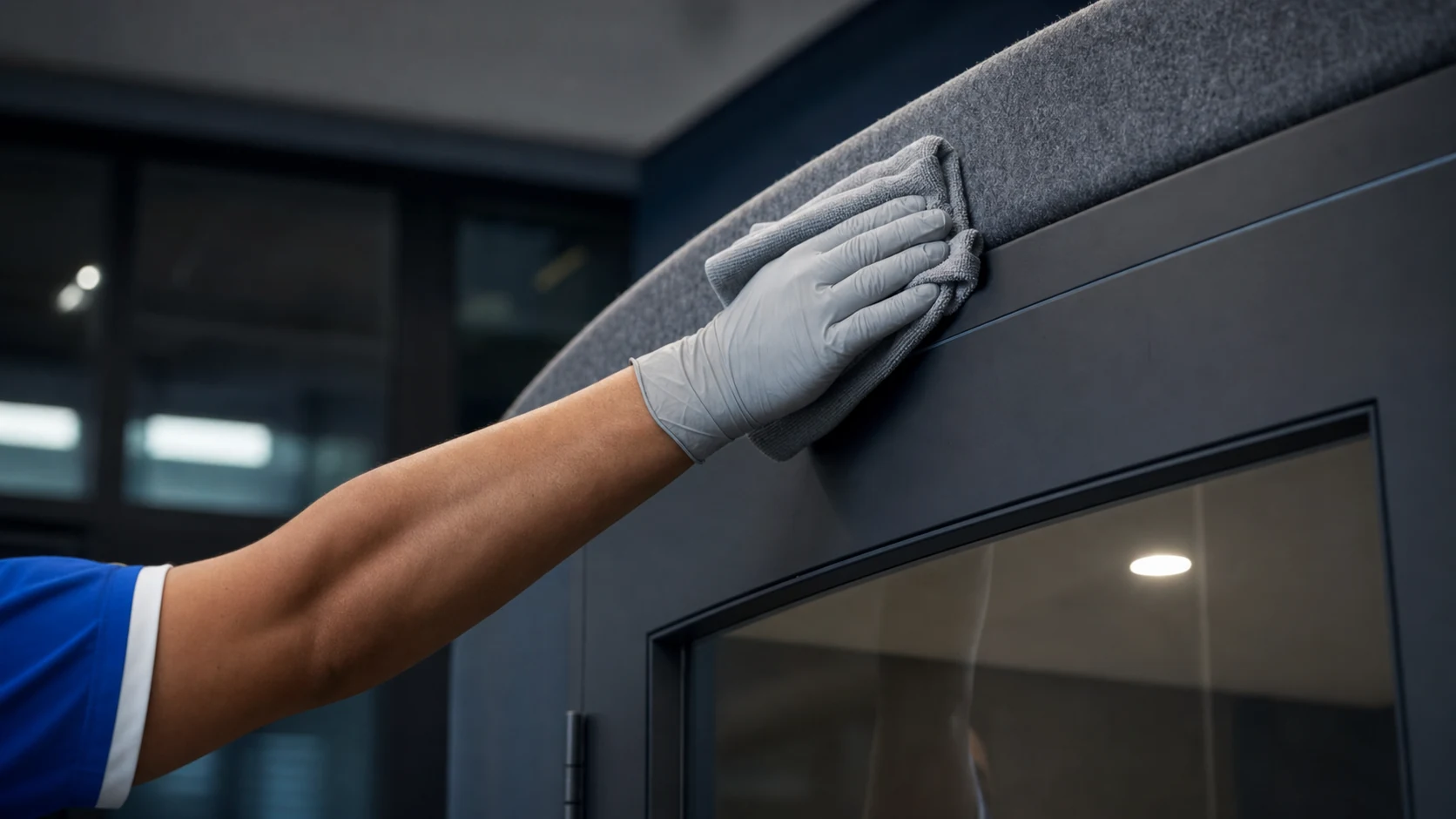
A cloth used on one bench and then another carries whatever was on the first. So does a brush, a scourer, a bucket of water and a mop moving between areas. In a kitchen preparing a range of dishes, that movement can defeat a separation regime that is otherwise carefully maintained by the people preparing the food. It is invisible, which is why it persists.

The control is the same one used for hygiene generally: dedicated equipment per area, adequate quantity so nobody has to improvise, and storage that keeps the sets apart. It costs very little and it removes a route that is genuinely difficult to manage any other way. Where a venue has an existing colour scheme for allergen separation, the cleaning equipment should follow it rather than run in parallel.
Where the contractor's role sits

In most venues the preparation surfaces used during service are cleaned by kitchen staff as part of the food business's own practice, because they need attention during service and because the people doing it understand what was prepared where. A contractor typically handles floors, walls, waste areas, equipment exteriors and periodic deep tasks outside service hours. That division also matters at handover, because a new head chef inherits the arrangement and needs to know which surfaces were never the contractor's.

That division should be written surface by surface. Where a venue does want the contractor cleaning preparation surfaces, the arrangement needs more than a line in a scope: the equipment, the sequence, the products and the briefing all have to reflect the venue's allergen management, and the venue remains responsible for its food safety system. That should be stated rather than implied.

Evidence an auditor can actually use

For most venues: the equipment separation arrangement, which areas the contractor cleans, the frequency, the periodic schedule with completion dates, and any exception raised. That is enough to demonstrate the cleaning contribution to an auditor without pretending the contractor is managing the venue's allergen system. Where a venue runs its own internal checks, aligning the cleaning record to those checks means one document serves both purposes rather than two sitting unreconciled.

Where a venue undergoes an external audit, the useful step is asking beforehand what the auditor will want from the cleaning arrangement, then shaping the record to answer it. Producing a contractor report in a format nobody cross-references is common and largely pointless. Clean Best keeps records in a form the venue can hand over directly. Agreeing that with the auditor beforehand costs one question and prevents a venue producing a report that nobody in the room can use.

Allergen-aware cleaning arrangements in Harris Park

  • Dedicated cleaning equipment per area, following the venue's existing scheme
  • Enough equipment that improvising between areas is never necessary
  • Storage that keeps sets physically apart between visits
  • Surface-by-surface split between kitchen staff and contractor
  • Periodic tasks scheduled with completion dates recorded
  • Records kept in a form the venue can hand to an auditor
Clean Best supervisor completing an office cleaning quality check in NSW

Working in Harris Park and the Greater Parramatta

Harris Park in Greater Parramatta has a dense concentration of hospitality alongside professional services and mixed-use premises, with restaurants and food businesses operating in tightly built shopfronts where kitchens are compact and storage is limited. Preparation areas in those kitchens sit close together, which makes equipment separation harder physically and more important in practice. Trading hours are long and turnover between services is quick. Clean Best services Harris Park from Seven Hills and sets the separation arrangement with the venue rather than importing a generic kitchen routine.

Questions about Harris Park

Is allergen management part of the cleaning contract?

The cleaning contributes to it, but the food business owns the allergen management system and that responsibility cannot be transferred. A contractor's role is to clean the agreed surfaces to an agreed method with separated equipment, and to record it. The scope should state that boundary so nobody assumes engaging a cleaner has covered a wider obligation.

Should cleaning equipment follow the kitchen's colour scheme?

Yes, where one exists. Running a second parallel scheme creates exactly the confusion the system is designed to prevent. If the venue has no scheme, the contractor can propose one, but it should be agreed with the venue and used by both parties rather than applied only to contracted work.

Who cleans the preparation benches?

Usually kitchen staff, because those surfaces need attention during service and the people using them know what was prepared where. Where a venue wants the contractor to take that on, the equipment, sequence and briefing need to reflect the venue's allergen arrangements explicitly, and it should be a deliberate decision rather than a task that drifts across.

How does mop water move allergens?

The same way any shared equipment does. Water used in one area and carried to another transports whatever it picked up. Separate mops and fresh water per area address it, along with a sequence that works from lower risk to higher risk areas. It is a small operational change with a disproportionate effect.

What should cleaning records show for a food audit?

What was cleaned, how often, when periodic tasks were completed, and any exception raised and closed. Ask the auditor beforehand what they expect from the cleaning arrangement, then shape the record accordingly. A report produced in a contractor's own format that nobody cross-references adds effort without adding evidence.

Get a fixed written quote for Harris Park

Free walkthrough, scope in writing, price back within 24 hours.

Request a quote
Call nowEmail us